
Sorry, nothing in cart.
|
|
|||||||||||||||||||||



Alternative Medicine

Neuro Seliron (Pregabalin)
Just $0.4 /Piece View Detail This product has multiple variants. The options may be chosen on the product page
Pregabalin 300 mg
Just $0.5 /Piece View Detail This product has multiple variants. The options may be chosen on the product pageGeneric Lyrica 300mg (Pregagesic)
Just $1.17 /Piece View Detail This product has multiple variants. The options may be chosen on the product page

Description
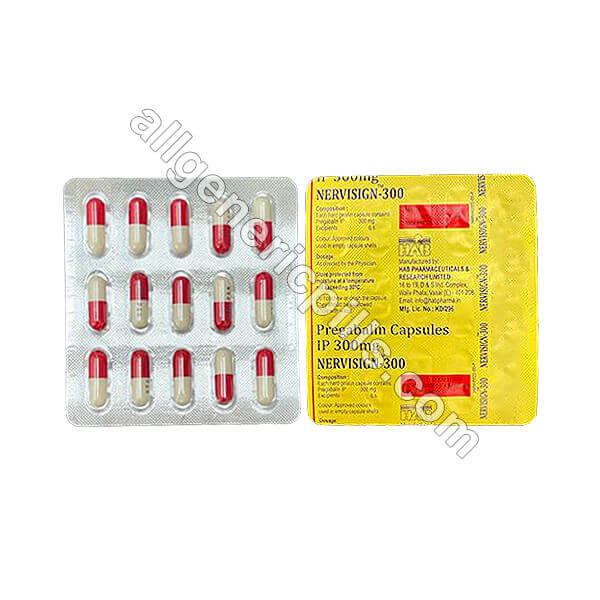
Nervisign 300 is a medication that contains Pregabalin as its active ingredient, commonly used to treat several neurological conditions, such as nerve pain, epilepsy, and anxiety disorders. Pregabalin, sold under various brand names including Nervisign, has emerged as a widely prescribed drug due to its effectiveness in managing chronic pain and neurological disorders. This comprehensive guide will explore Nervisign 300 in detail, covering its uses, mechanism of action, dosage guidelines, potential side effects, and other important information.
What is Nervisign 300 (Pregabalin)?
Nervisign 300 mg is a prescription medication belonging to the class of drugs known as anticonvulsants or anti-epileptics. It is primarily used to treat:
- Neuropathic pain: A type of chronic pain that occurs due to nerve damage, often associated with conditions like diabetes, shingles (herpes zoster infection), or spinal cord injuries.
- Epilepsy: Pregabalin is used as an adjunctive therapy for partial-onset seizures in adults.
- Generalized anxiety disorder (GAD): Pregabalin is also prescribed to reduce symptoms of anxiety in individuals who suffer from this condition.
Mechanism of Action
The exact mechanism of Pregabalin is not completely understood, but it is known to work by affecting certain neurotransmitters in the brain, particularly gamma-aminobutyric acid (GABA). By binding to specific calcium channels in nerve cells, Pregabalin reduces the release of certain neurotransmitters, including glutamate, norepinephrine, and substance P, which are involved in transmitting pain signals and seizure activity.
This action helps to alleviate nerve pain and prevent seizures, while also providing a calming effect that can reduce anxiety in patients suffering from GAD.
Medical Uses of Nervisign 300
1. Neuropathic Pain
Neuropathic pain results from damage to the nerves, which can occur due to various conditions like diabetes, shingles, or multiple sclerosis. Nervisign 300 mg is highly effective in reducing this type of chronic pain, especially when other painkillers fail to provide relief. This medication can help improve the quality of life by reducing the intensity of pain, making daily activities more manageable.
2. Epilepsy
Pregabalin is not a first-line treatment for epilepsy but is used as an adjunctive therapy for partial-onset seizures. It helps to stabilize electrical activity in the brain, preventing seizures from occurring. Patients who have not responded well to other anti-seizure medications may find Pregabalin beneficial.
3. Generalized Anxiety Disorder (GAD)
Nervisign 300 is effective in treating the symptoms of generalized anxiety disorder (GAD). Individuals with GAD often experience excessive and uncontrollable worry about various aspects of life, which can interfere with daily activities. Pregabalin helps by reducing the overactivity of nerve cells, which in turn decreases anxiety levels and provides a sense of calmness and relief.
Dosage and Administration
Nervisign 300 is typically taken orally, with or without food. The exact dosage prescribed will depend on the condition being treated, the patient’s response to the medication, and other individual factors such as age, weight, and overall health.
Standard Dosage Guidelines:
- Neuropathic pain: The starting dose is usually 150 mg per day, which may be increased to 300 mg per day based on the patient’s response. The maximum recommended dose is Nervisign 500 mg per day.
- Epilepsy: The starting dose is generally 150 mg per day, which can be increased up to 300 mg or more depending on the patient’s response to the treatment. The dose is divided into two or three doses throughout the day.
- Generalized Anxiety Disorder (GAD): The usual starting dose is 150 mg per day, with a maximum daily dose of 600 mg.
The dose may be gradually increased or decreased depending on the patient’s response to the medication and the severity of side effects. It is essential to follow the dosage regimen prescribed by a healthcare professional to avoid complications.
Potential Side Effects of Nervisign 300
Like all medications, Nervisign 300 can cause side effects, though not everyone will experience them. Most side effects are mild to moderate and tend to improve as the body adjusts to the medication.
Common side effects include:
- Dizziness
- Drowsiness
- Blurred vision
- Dry mouth
- Weight gain
- Swelling of hands and feet
- Difficulty concentrating
These side effects are generally mild and temporary. However, if they persist or become bothersome, it’s important to consult a healthcare provider.
Serious side effects are rare but can occur, and they include:
- Allergic reactions: such as rash, itching, or swelling (especially of the face/tongue/throat)
- Severe dizziness or fainting
- Unusual mood changes: including agitation, depression, or suicidal thoughts
- Muscle pain or weakness: particularly if accompanied by fever or signs of infection
In case of severe side effects, immediate medical attention is recommended.
Precautions and Warnings
Before taking Nervisign 300, it’s important to discuss your medical history with a healthcare provider. Special care should be taken if you have any of the following conditions:
- Kidney disease: Pregabalin is excreted through the kidneys, so dose adjustments may be necessary for individuals with impaired kidney function.
- Heart conditions: Pregabalin may cause an abnormal buildup of fluid in the body, which could worsen heart conditions.
- Mental health conditions: Pregabalin has been associated with mood changes, including suicidal thoughts, so individuals with a history of depression or other mental health issues should be closely monitored.
- Substance abuse: Pregabalin can cause dependence, especially in individuals with a history of substance abuse. It’s important to follow the prescribed dosage and avoid abrupt discontinuation to prevent withdrawal symptoms.
Drug Interactions
Nervisign 300 can interact with other medications, potentially increasing the risk of side effects or reducing the effectiveness of either drug. Common drug interactions include:
- Opioid painkillers: Combining Pregabalin with opioids can increase the risk of dizziness, drowsiness, and difficulty concentrating.
- Alcohol: Consuming alcohol while taking Pregabalin can amplify its sedative effects, leading to increased dizziness and drowsiness.
- Other antiepileptic drugs: Some antiepileptic medications may interact with Pregabalin, either increasing or decreasing its effectiveness.
Always inform your healthcare provider of any other medications you are taking, including over-the-counter drugs and supplements.
FAQs
What is Nervisign 300 used for?
Nervisign 300 is used to treat neuropathic pain, epilepsy, and generalized anxiety disorder (GAD).
How does Pregabalin work?
It works by reducing nerve signals responsible for pain, seizures, and anxiety by modulating certain neurotransmitters in the brain.
What is the recommended dosage for Nervisign 300?
The dosage varies depending on the condition but generally starts at 150 mg per day, which can be increased up to 600 mg daily based on medical advice.
Can I take Nervisign 300 with other medications?
It can interact with certain drugs like opioids and alcohol, increasing sedation. Always consult your doctor about any medications you’re taking.
What are the common side effects of Nervisign 300?
Common side effects include dizziness, drowsiness, weight gain, and blurred vision.
Is Nervisign 300 addictive?
It may cause dependence, especially in individuals with a history of substance abuse.
Can Pregabalin be taken during pregnancy?
Pregabalin should only be used during pregnancy if the benefits outweigh the risks. Consult your doctor for advice.
How long does it take for Nervisign 300 to work?
Effects can be noticed within a few days, but full benefits may take several weeks.
Can I stop taking Nervisign 300 abruptly?
No, stopping it suddenly can cause withdrawal symptoms. It should be tapered off gradually under medical supervision.
Does Nervisign 300 cause weight gain?
Yes, weight gain is a common side effect for some users.
Conclusion
Nervisign 300 (Pregabalin) is a versatile medication widely used to treat neuropathic pain, epilepsy, and generalized anxiety disorder. While it is effective for many patients, it is important to use this medication under the supervision of a healthcare provider to minimize risks and manage any potential side effects. By understanding its uses, side effects, and precautions, patients can make informed decisions about their treatment and improve their quality of life.
Reviews
There are no reviews yet.